Heyđź‘‹,
I'm Giacomo

I will help you make sense of the AI Marketing revolution

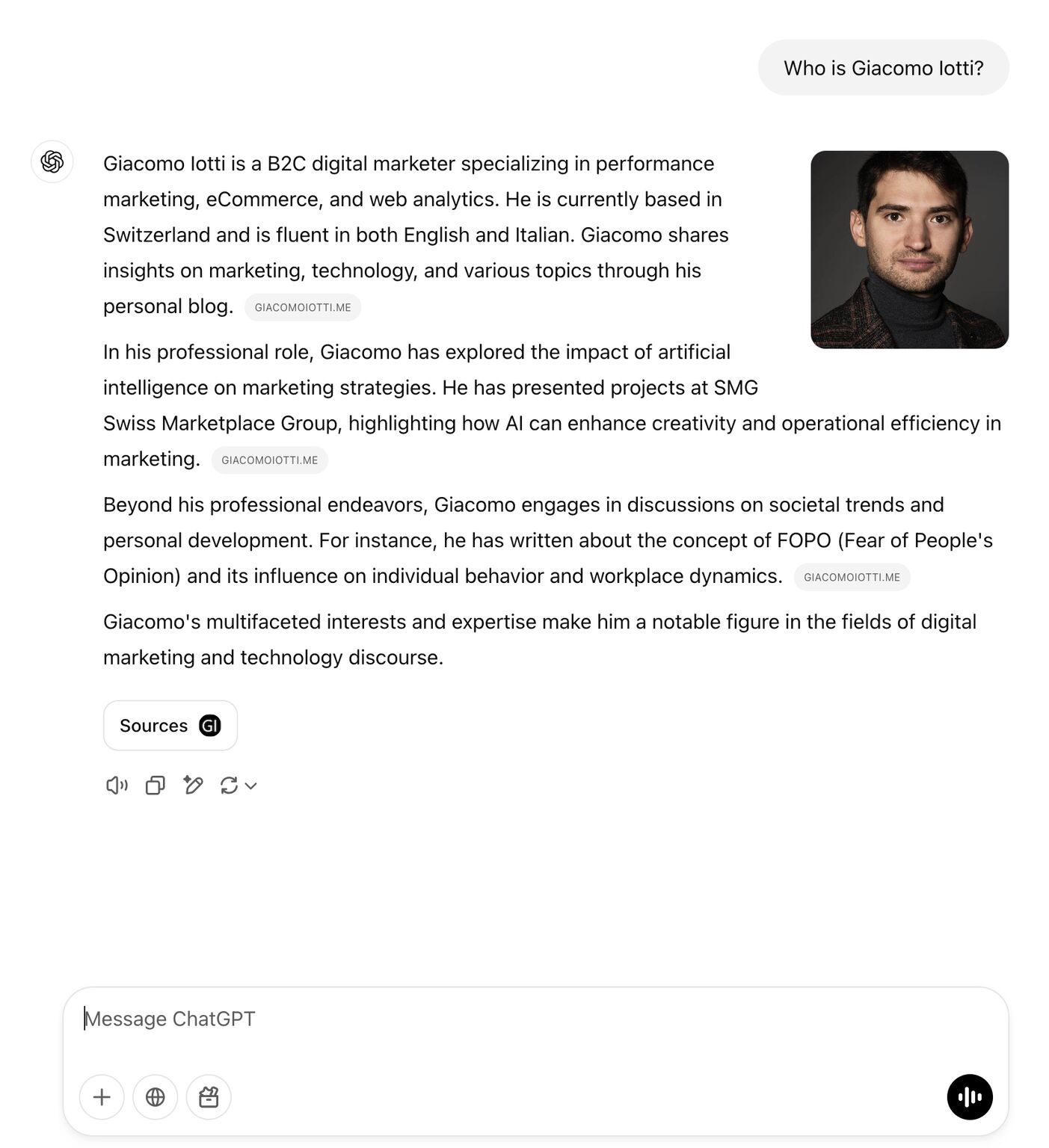
Portrait of Giacomo Iotti with short dark hair and brown eyes, wearing a dark turtleneck and a dark checkered blazer against a dark background.

Here are 5 online advertising trends I'm definitely going to watch in 2023:

  1. CTV
  2. Programmatic OOH & Contextual Advertising
  3. Retail media
  4. Audio ads
  5. Shorts

CTV

Connected TVs, or TVs that are connected to the internet, are becoming increasingly popular. With the recent introduction of ads on platforms like Netflix and the expected rollout of ads on Disney+, the CTV market is set to open up great opportunities for advertisers.

Programmatic OOH & Contextual Advertising

In the summer 2022, Google announced that advertisers could buy digital out-of-home ads through Display & Video 360. This is when I realised that programmatic OOH advertising will become mainstream.

Programmatic OOH will not scan people passing by a billboard to serve personalised ads. Rather, it will use contextual and geo-location data to show dynamic content, like a shop-specific sale, football real-time results, and more.

Contextual targeting will be increasingly common in online ads too. New privacy regulations are making personalised advertising harder to perform and less effective. Plus, the general sentiment around it couldn't be more negative. Advertisers will need to get more creative using contextual data!

Retail Media

Why would retailers sell their customers' data to third-parties, when they can use it to sell ads directly?

Retail giants like Amazon and Walmart already embraced this trend, with their ads business expected to grow by 19% and 42% respectively, in 2023. Watch out, Alphabet and Meta!

Even Marriott is launching a proprietary ad network to serve ads on its websites and on guests' TVs.

Audio Ads

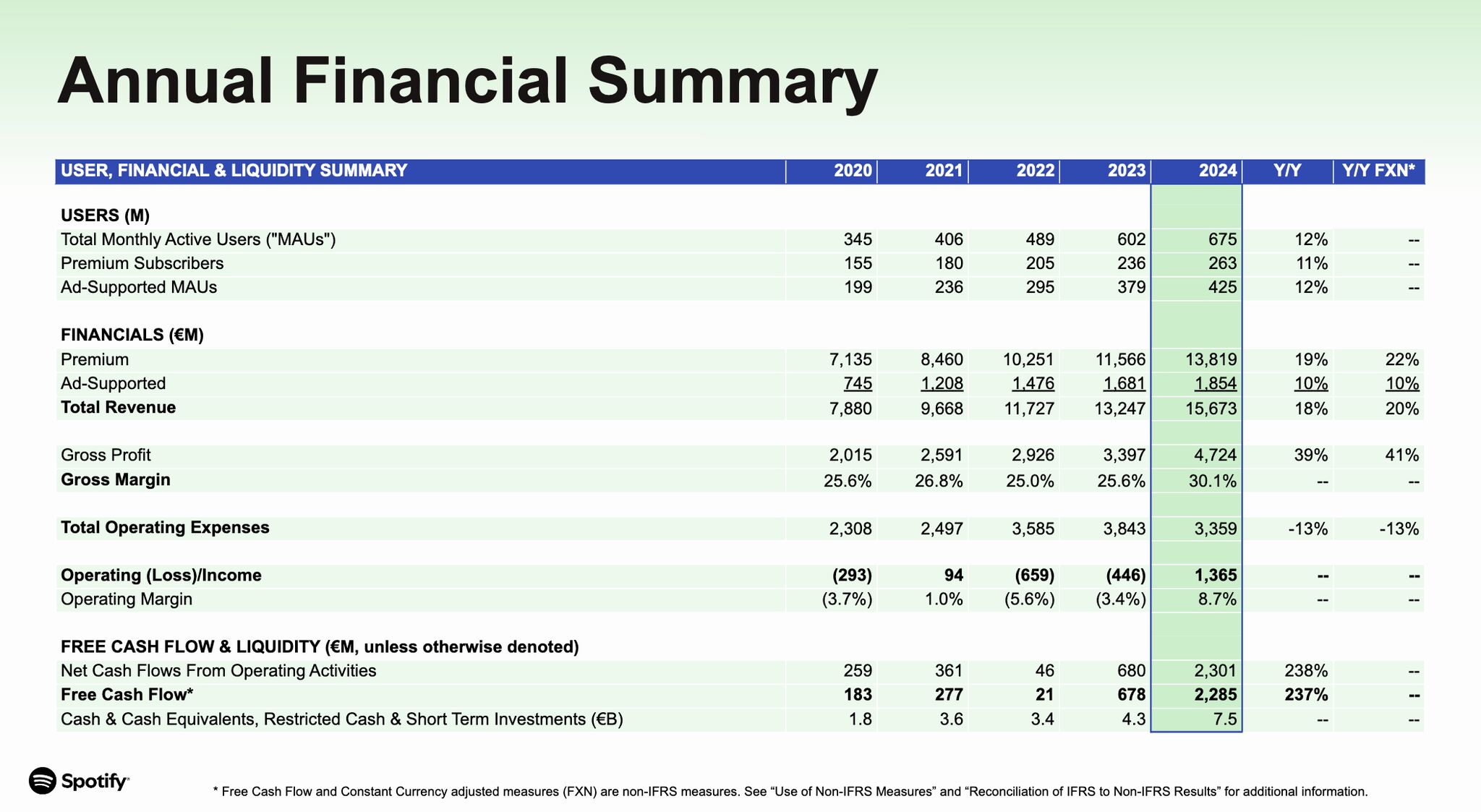
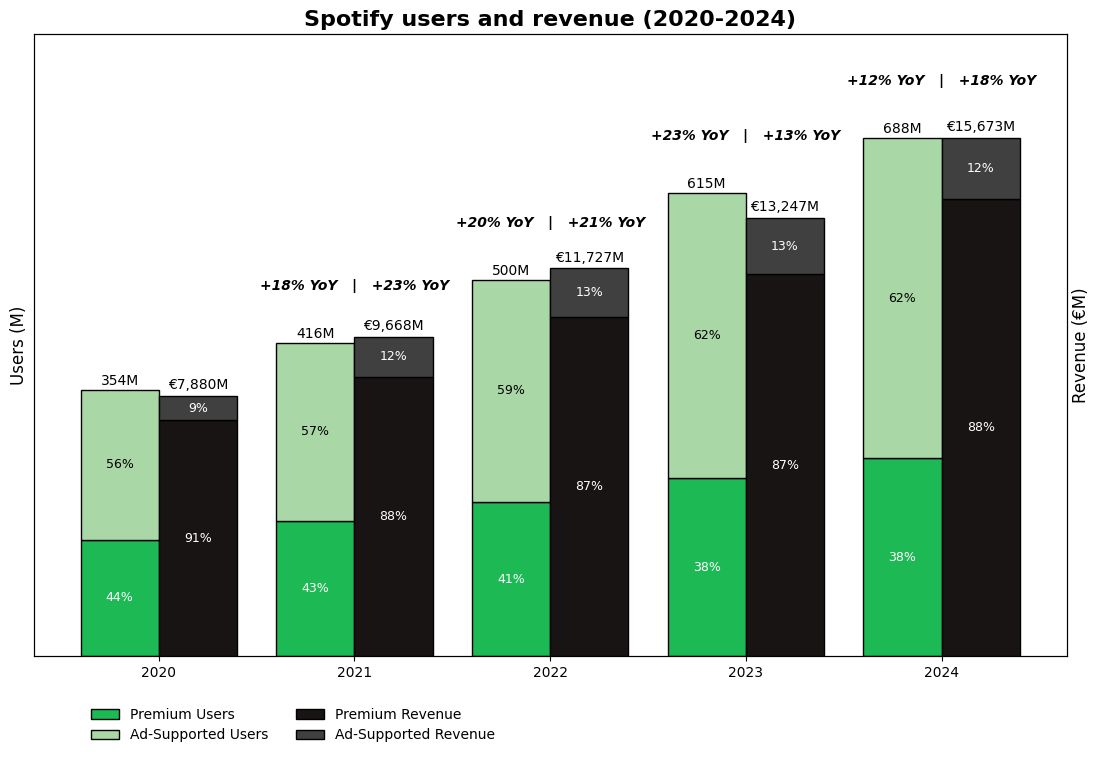
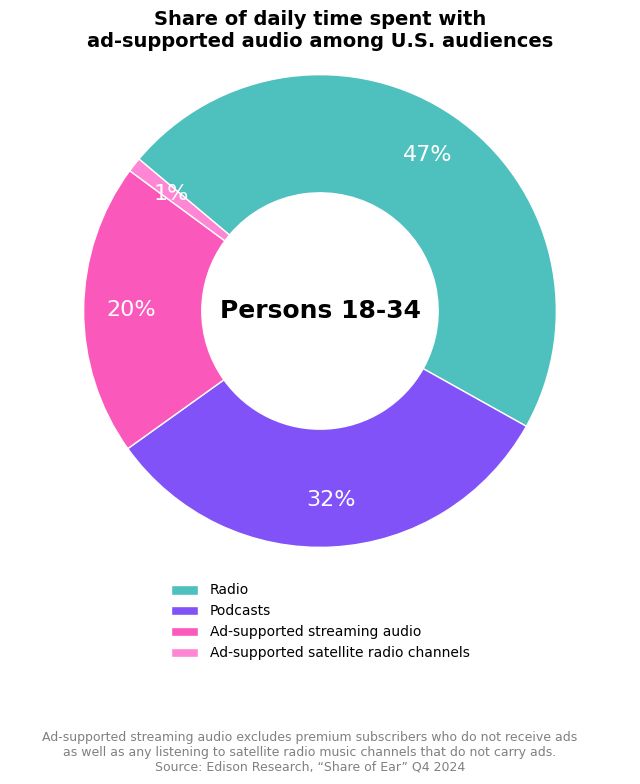
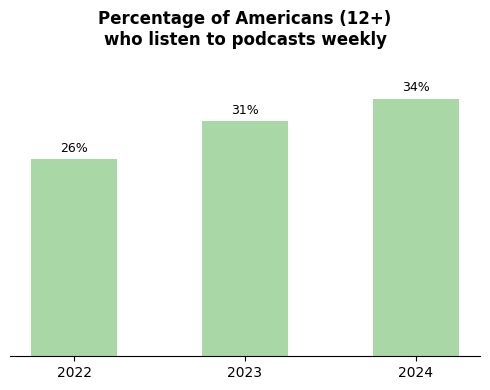
Spotify ads' business will grow by 30% in 2023. With podcasts being a massive growth category, there's more and more room for audio ads. Online radio and other podcast platforms will also increase ads sales.

Shorts

Short vertical videos, such as YouTube shorts, Instagram Reels, and TikToks, have become extremely popular. I don't know which one of these platforms will come out on top in 2023, but one thing is certain: short ads will become a major trend.

Advertisers will need to get creative in designing video ads specifically for this format. I think we'll see some very cool ones!

...more
Open on LinkedIn
Expand on page
Portrait of Giacomo Iotti with short dark hair and brown eyes, wearing a dark turtleneck and a dark checkered blazer against a dark background.

According to the Financial Times, Alphabet and Meta will no longer hold a majority share of the US online ad market for the first time since 2014. Their duopoly market share is expected to decline to 48% in 2023.

Some have questioned whether this indicates a struggle within the industry as a whole, or just a reshuffling of market share.

The reality is that the industry is expanding. New players are entering the market, creating new opportunities and gaining market share.

In particular, I see the industry moving in three "new" directions:

  1. CTV ads (connected tv ads)
  2. Ads in native apps
  3. Merchant media

‍‍

Connected TV (CTV)

‍Netflix has recently launched its ad-supported subscription tier, where video ads are served in movies and tv series. This is thanks to a partnership with Microsoft, which is boldly entering the CTV ads space. Disney+ is planning to do the same soon and we can expect other streaming services to follow.

CTV will be one of the biggest trends in the ads' industry in 2023. Yet, not all companies will find success in this area. While Alphabet has already embraced this trend through YouTube, Meta missed the boat. In fact, platforms that are primarly designed for mobile usage struggle to break into the TV space, which opens the door for new players.

‍

‍Ads in native apps

‍It has become clear how digital ecosystems are essential for big tech profitability. Apple is doing everything in its power to keep competitors out of its ecosystem. APP (Apple tracking transparency) is a great example of this. Apple Search Ads are in, Facebook Ads out. I expect to see more and more ads on Apple native apps on iPhone, Mac, Apple TV and more. In fact, its ad business is forecasted to grow by 26% in 2023, with plans to double its digital advertising business workforce.

‍Meta is also trying to build its ecosystem with the Oculus device and its metaverse. Will it succeed?

‍

‍Retail Media

‍This will be another great trend in 2023.

Retailers can sell ads directly using their own customer data rather than selling the data to third parties. Amazon and Walmart are among the largest players in the sector, with their ad business expected to grow by 19% and 42% respectively next year.

‍

Advertisers will need to reassess their media mix in 2023!

...more
Open on LinkedIn
Expand on page
Portrait of Giacomo Iotti with short dark hair and brown eyes, wearing a dark turtleneck and a dark checkered blazer against a dark background.

Unpopular opinion: to stop climate change we just need to get poorer.

Our consumption produces over 60% of all greenhouse gases. So forget about evil Chinese chemical factories or ruthless capitalist executives. It's our rich lifestyle that harms the planet.

It's not about buying an electric car instead of a petrol one. It's about not buying a car at all. It's not even about using car-sharing or other low-emission means of transport. It's about stopping travelling so frequently.

We often feel like we don't have enough money to do what we want, but the reality is that we have more than anyone before us ever dreamt of. Our grandfathers were not going for weekend gateways or takeaway meals every week.

How to get poorer is the problem: work less, produce less and earn less?

Maybe. But then the same formula should be applied to everyone.

As always, it all comes down to inequality.

Top-skilled workers in rich economies could even work a 20h week, but they will still make more money than the worse-offs working 60h+ per week. Therefore, they'll still consume more.

In fact, the world’s richest 1% produce more than twice the emissions of the 3.1 billion poorest humans. But I'm fairly sure they don't work twice the time. Quite the opposite I would expect.

Fighting climate change while still chasing financial growth is not realistic.

This also applies at a personal level.

Our expectation of always getting better jobs, growing our finances and consumption over time is not sustainable anymore.

Quoting Greta Thunberg, it's not just governments talking "bla bla bla", but it's also us in our everyday lives.

How to change this? I don't know :(

...more
Open on LinkedIn
Expand on page
Portrait of Giacomo Iotti with short dark hair and brown eyes, wearing a dark turtleneck and a dark checkered blazer against a dark background.

Rent is the new "CAC" (Customer Acquisition Cost).

A decade ago, when many digitally-native retail brands were first launching, an expression was popular in the industry: “Online CAC is the new rent”.

While traditional retailers were paying expensive high-street rent to acquire customers, eCommerce invested in online ads.

But now the expression flipped over: “Rent is the new CAC”.

With more and more brands online, online CAC is getting expensive. So even digitally-native retailers are planning to establish a physical presence, as a way to stand out from competitors and acquire new customers, possibly for cheaper.

In fact, because of the pandemic, rent prices have decreased, but people are gradually coming back to the high street.

We're seeing an omnichannel renaissance of physical retail.

The IKEA case is the most extreme example of this.

Started as a logistics champion, Ikea is now moving to the high street as part of its digital transformation process.

Wait, what?

Yes!

In order to push online sales, the company is planning to open an experiential showroom in central London (autumn 2023).

On top of directly selling small (high margin) items like kitchenware, the shop will allow customers to browse through Ikea furniture and order it online.

This is literally "physical" online customer acquisition! Do you think this trend will last?

...more
Open on LinkedIn
Expand on page
Portrait of Giacomo Iotti with short dark hair and brown eyes, wearing a dark turtleneck and a dark checkered blazer against a dark background.

Merchant Media. What is it?

The online advertising industry is going through a massive transformation due to the "death of cookies" and other privacy policies.

As always, the end of something is just the beginning of something else.

With 3rd-party cookies fading out, 1st-party data is becoming more and more important. Large merchants own huge sets of customer data. Now, this data is one of their most valuable assets.

Marriott International is planning to monetise its 1st-party data via a proprietary ad network, that will allow advertisers to reach its guests across the Marriott mobile app and eventually even the guestroom TVs. This will bring a new revenue stream to Marriott, as well as new premium ad inventory to advertisers.

I believe this is just the beginning!

Would you agree?

...more
Open on LinkedIn
Expand on page
Portrait of Giacomo Iotti with short dark hair and brown eyes, wearing a dark turtleneck and a dark checkered blazer against a dark background.

One-hit wonders have always fascinated me.

The hit “Teenage Dirtbag”, by rock band Wheatus, "Stacy’s Mom" by Fountains of Wayne and "All The Things She Said" by the Russian girl-duo t.a.T.u, are just some that come up to my mind. If you're in your 30s in 2022, you will know what I'm talking about.

I’ve always wondered how it must feel.

How would it feel to be in those artists’ shoes? You finally get to live your dreams, achieve world-wide fame doing what you love. But shortly after, you see the same dreams being shattered like a mirror crashing on the floor.

It must be devastating and excitingly explosive at the same time. Something like: “alright, I’m a nobody again, but hey, I’ve done things most humans can only dream of”.

Now, there are two different instances of one-hit wonders:

- The ones where we all forgot about both the song and the artist.

- The ones where the song became an instant classic, but the artist never made it past that.

The latter scenario is the most intriguing.

I've been thinking a lot about what happens to an artist, when people can only remember him/her for one song only. Was that their plan? Probably not. Probably, they had much more to say. Likely, they wrote tens of better songs and, in fact, they hate that one.

For example, Radiohead exploded in 1992 thanks to the smash-hit “Creep”. Yet, they hated it, as stated on many occasions. Fortunately, Radiohead were not a one-hit wonder. They were able to replicate and outdo the success of "Creep". But what if, that was it? What if, Radiohead were remembered only for “Creep”, despite all the other masterpieces they released over the years?

Well, it was the case of Vanessa Carlton.

Her name might not tell you much, but her hit “A Thousand Miles”, definitely does. After dropping ballet, Vanessa raised to music fame with that song in 2002, when she was only 22.

The tune became an instant classic. Its signature piano intro is now the soundtrack of viral TikTok and Instagram videos, and even Gen Z rocker Beabadoobee recently covered it on BBC Live Lounge. (Yes, I'm not too old to listen to Gen Z artists, yet)

I admit, I had forgotten about her until a video documentary from Vice popped up in my YouTube feed, “The Story of A Thousand Miles by Vanessa Carlton”. I immediately recalled the song. It made me go back in time to my happy teenage years, when I would spend my afternoons in front of MTV and playing music. Nice life :)

"The Story of A Thousand Miles" is a great story of music, hard work, luck, massive success and then, somehow, failure.

At the start of the video, Vanessa mentions she’s spent the last few months living with her parents and her dog, Sinatra. Her mum is with her for the whole duration of the interview. She breaks into the conversation to support her daughter, like only a loving mum can do with her little girl. Although, Vanessa is far from being a little girl now.

I know very little about her personal life. Why is she at her parents’? What kind of relationship does she have with her mum? I don't care. The only thing I know is that the story of A Thousand Miles resonates with me and with how I feelabout adult life.

Despite many years abroad and a fairly successful career, I still sleep in my teenage bunk bed when I’m at "home". So, the story of a huge star that stays at her parents' and says “it’s been interesting”, couldn't resonate more with me.

At one point in the documentary, she states: “In your mind you get exactly what you want, and is actually not what you want”.

Even if she had achieved everything she could ever dream of, that life didn't feel like a dream at all. Rather, it was starting to feel like a nightmare.

To me, this is the essence of adult life.

We spend years preparing for it. We go to school, to college, we study and work hard to chase our “dreams”. Nothing can ever go wrong, provided we plan and focus enough.

But the reality is that it’s not as straightforward as we're told. Things that we could never plan for suddenly happen. And then what?

What is relevant for us in our teenage years, will not be in our thirties. What we thought we wanted is not actually what we want now. Our biggest achievements, the ones we worked so hard for, quickly vanish in the past as new, greater challenges arise. Although reaching those achievements was all we wanted, now it’s not enough. Now we want or need more. Things like getting married or setting up a happy family start to get priority in your “I-want” list. My 20-something self would kill me for even thinking this!

All of a sudden, what we have worked for and all our past achievements don't matter if we’re not settled by 30. They don't matter if we don’t make a 6-figure salary, even though we love our job. What we want now, or at least what we think we want, completely erases any good we did in the past, which we should be proud of.

Is Vanessa proud of her “A Thousand Miles”? Is this achievement enough for her? Or maybe, she would rather have a longer and more sophisticated music career? In the interview, she states that she “hated that song”, while her mum adorably counters with “I love that song”. So no, maybe it's not enough. Although, I sincerely hope she's still proud of it, as it's a great song.

This story also made me think that even though we do great work and things go well for a while, in the end we can still fail. Eagerness and hard work are not always enough to be successful. Even the greatest achievements can be short-lived and don’t secure a long-term success.

Adult life is all about dealing with this.

Back in the days when I was playing music, I got to a point where I believed something big could have happened. I had worked hard for it, I was improving and networking with the right people. But it just didn’t work out and I gave up. Maybe too early? May be.

I still show some music achievements in my resume, although some of them are over 10 years old. I do it more as a self-therapy measure, to remind myself that I am also that. I am also the guy who has great music stories worth to be told to grandchildren.

But the reality is, the challenges and expectations of adult life are making that guy slowly fade out in a foggy past.

Adult life is all about realising the journey is not always one way.

Sometimes we go backwards, sometimes we’re just running in circle. Sometimes, we are back right where we started. But, hey, we never stop!

If you're lucky, you release an international smash hit song, and 20 years later you live with your mum and a dog. But you’re still there, writing music, for you and whoever wants to listen.

...more
Open on LinkedIn
Expand on page
Portrait of Giacomo Iotti with short dark hair and brown eyes, wearing a dark turtleneck and a dark checkered blazer against a dark background.

Imagine being tasked to find a specific grain of sand from 10,000 square km of desert. Imagine how complex and resource-intensive this task can be. You would probably deploy high-tech heavy machinery to dig in the sand and scan every single grain. Imagine how much energy this process would require.

A stupid amount of it.

That's exactly what it takes to add a new transaction to the Bitcoin blockchain.

I will never get tired of writing about this. It seems so stupid to me that the Bitcoin mining industry consumes more energy than entire countries. What are the benefits?

This video from the Financial Times shows the total energy consumption for several countries, over the past 3 years. Look at what happens to China's after the ban on crypto mining in 2021!

Plus, much of the energy used for Bitcoin comes from fossil fuel, as it needs to be as cheap as possible to make the process profitable for miners. This makes Bitcoin tied to real economy cycles.

If price of electricity goes up, Bitcoin becomes more expensive to produce, less profitable and less attractive. Hence its price will go down.

Wasn't it supposed to be an edge against inflation? Of course not. In 2022, it's madness we're still wasting energy and time with this.

Is Bitcoin the future of money? To me it's already the past!

...more
Open on LinkedIn
Expand on page
Portrait of Giacomo Iotti with short dark hair and brown eyes, wearing a dark turtleneck and a dark checkered blazer against a dark background.

A couple of months ago, I posted about the Buy Now Pay Later model, whether it was turning into a trap during these times of inflation and financial struggle.

Studies show that more and more people are using BNPL to purchase essential goods like food and toilet paper. This indicates how the model is spreading among the financially vulnerable, which in turn are the ones more likely to miss repayments.

Don't we forget that BuyNowPayLater is still not a regulated form of credit, unlike consumer loans or credit cards.

This brings risks:

❌ It might cause vulnerable people to get into financial trouble, very quickly.

❌ BNPL was meant for non-essential purchases, in a time of cheap cash and consumerism (and lockdowns). The tide is turning, and there's not much profit in financing who can not repay.

The news of Affirm and Klarna drastically dropping their valuations were among the hottest of the summer.

So, is Buy Now Pay Later here to stay?

Hard to tell. But this video from the Financial Times gives an excellent input: what if BNPL transitioned to B2B?

Surely, it would lose some of its glamour (maybe that was the whole point?), but probably it would be more profitable and resilient. And I would also add, more innovative. B2B supplychains are in extreme need for digital innovation.

Either way, it is definitely a space to watch closely!

...more
Open on LinkedIn
Expand on page
Portrait of Giacomo Iotti with short dark hair and brown eyes, wearing a dark turtleneck and a dark checkered blazer against a dark background.

My Linkedin feed is packed with celebratory posts about the move by Patagonia's founder to “give away” his company. But few of those posts tell the full story.

Let's dig…

As any elderly entrepreneur, Yvon Chouinard was faced with a succession problem: how can I look after my company, my family, and other stakeholders once I will be too old to be operative, or worse, dead?

Some options considered were passing the company onto his children, selling it, or going public.

None of those appealed to him, so he went for an unusual solution (actually becoming more and more common among the wealthy): gifting the company to a non-profit organisation.

Yvon Chouinard transferred 98% of Patagonia shares to Holdfast Collective, a non-profit that will invest its roughly $100 million in annual profits “to fighting the environmental crisis and defending nature.”

The remaining 2%, which holds voting rights, is transferred to a family entity called Patagonia Purpose Trust.

The noble purpose of such a transaction is undeniable. Holdfast Collective will in fact help fight the environmental crisis. After all, Patagonia itself was a pioneer in sustainability and has always contributed to environmental causes, donating 1% of it profits every year.

However, there's more to it. Let's look at the other options:

Capital gain taxes don't apply to "give-aways". If Yvon Chouinard had normally sold the company for its market value ($3bln), the tax bill could have been over $700mln. A transfer to his children would have also resulted in a massive 40% gift tax levy. Going public? Yes, but he and his family would have lost control over the company.

As Bloomberg puts it, the bottom line is that Yvon Chouinard managed to avoid huge tax bills while also retaining control over the company, for him and his children.

I guess we're lucky that he also thought of the environment. And I want to believe this was the main driver behind this unusual transaction. Am I am naive? I hope not.

Of course, this doesn't apply to other billionaires. For instance, electronics manufacturing mogul Barre Seid engineered the same sort of transaction to avoid a $1.7bln tax bill and to fund a conservative activist who fought abortion rights.

The point here is that we're often blinded by the next shiny news on social media, that we rarely stop to think about what we're reading or, worse, sharing.

Avoiding this, has been my mission since I started posting regularly on Linkedin around a year ago. I hope my posts also helped other people see the other side of the coin in flashy news stories.

Read more:

Bloomberg: Patagonia Billionaire Who Gave Up Company Skirts $700 Million Tax Hit

Forbes: Yvon Chouinard And The Patagonia Purpose Trust— What Is It And Will It Work?

CBS News: Patagonia founder gives away company to climate-change organization

...more
Open on LinkedIn
Expand on page
Portrait of Giacomo Iotti with short dark hair and brown eyes, wearing a dark turtleneck and a dark checkered blazer against a dark background.

This article by The Guardian is just gold!

Yesterday, I talked about some great initiatives by fashion brands to tackle the infamous 3 Rs (re-selling, re-wearing and re-using).

Unfortunately, not everyone is on board and end up in cheesy greenwashing campaigns.

It is definitely the case of the combo Kourtney Kardashian + Boohoo.com.

"Welcome to the fashion-influencer-to-landfill pipeline, where greenwashing abounds and nothing of meaning is said."

The greatest subtitle ever, I love it haha

"Kardashian [...] has spent the last few years crafting a fashion-forward and health-obsessed personal brand. [...] Her content-meets-commerce lifestyle platform Poosh [...] offers all-natural hangover cures."

Uhmm... I guess she should start by giving up drinking, rather than giving "all-natural" cures to hangover, lol :)

And finally, the harsh bottom line:

“What’s challenging is figuring out how people can still live in this way where it’s simple, and easy, and fast, and fun, but it doesn’t have a negative impact on people and the planet. Spoiler alert for everyone: you can’t."

‍Just as simple as that :(

...more
Open on LinkedIn
Expand on page